A learning ecosystem

Self-directed learning,
held by community.

SahaSwa is rethinking what it takes to grow into a capable human in the age of AI - braiding autonomy and belonging, technology and humanity, ambition and care. We work with young people from underserved communities to build the skills, confidence, and inner ground for a life of financial independence and social agency.

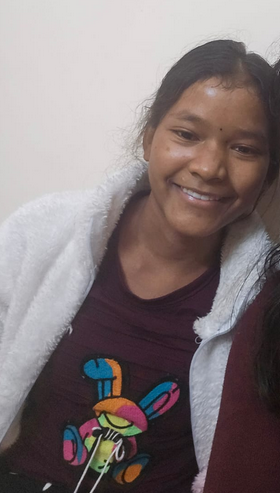
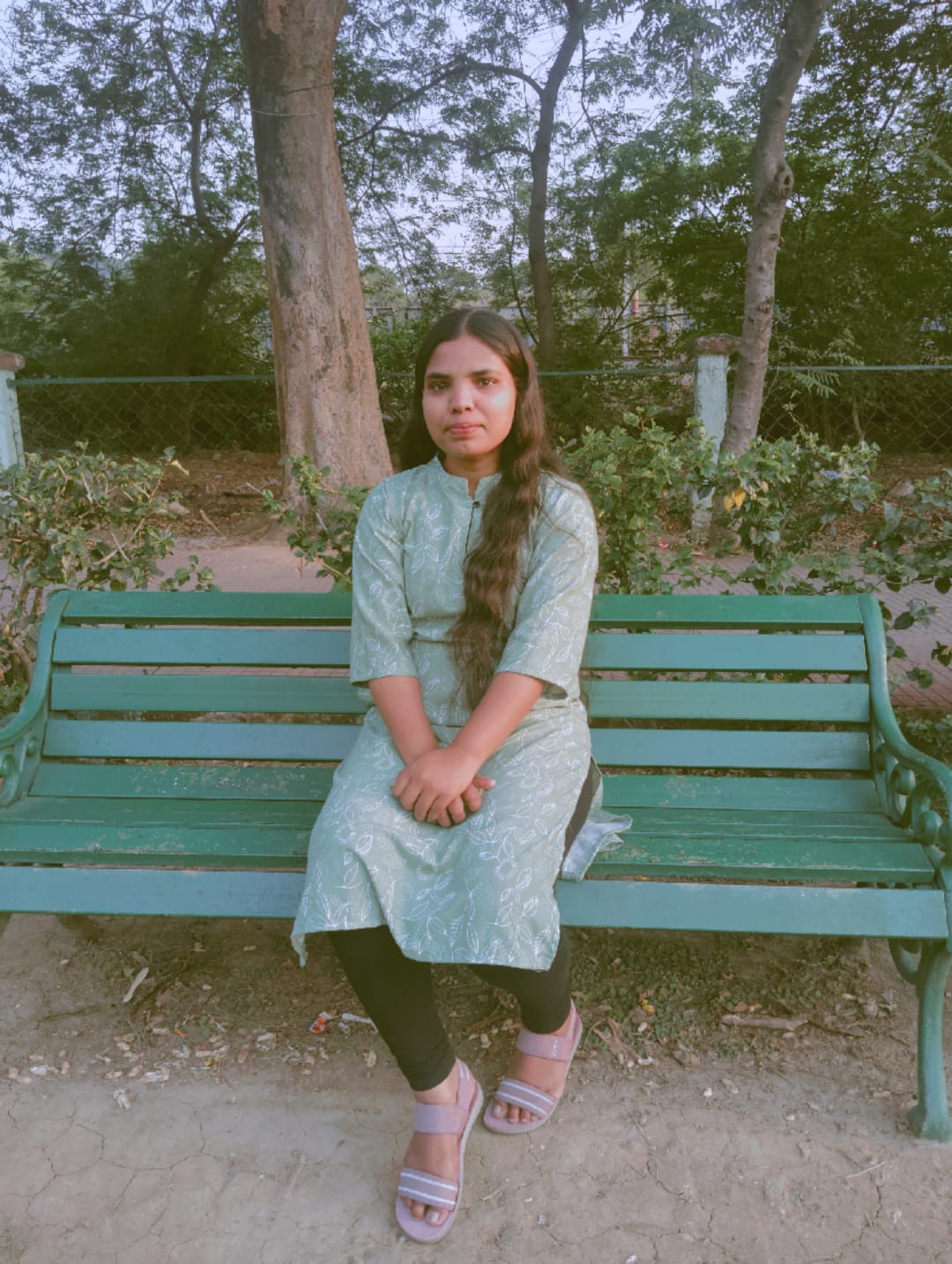
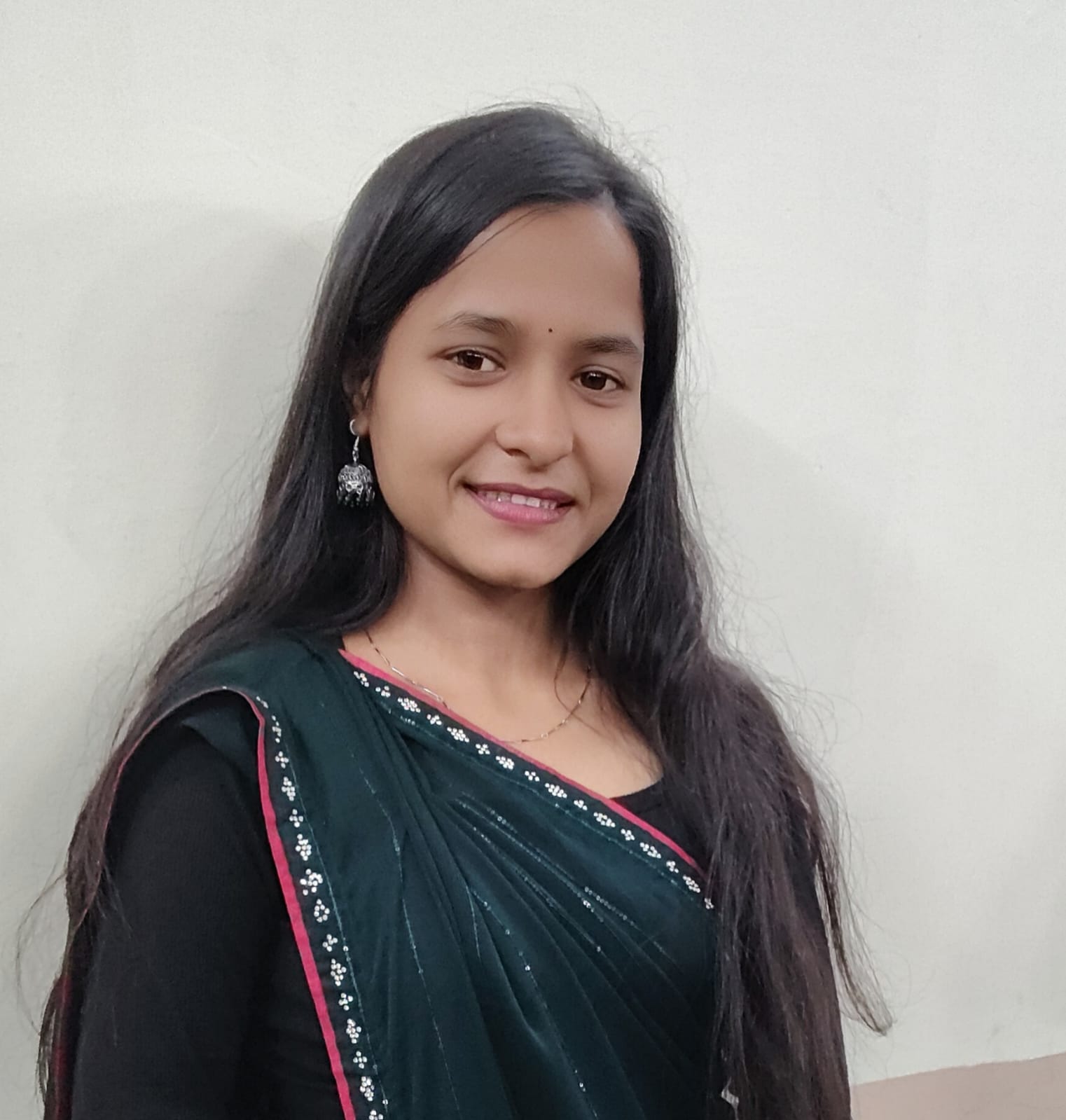
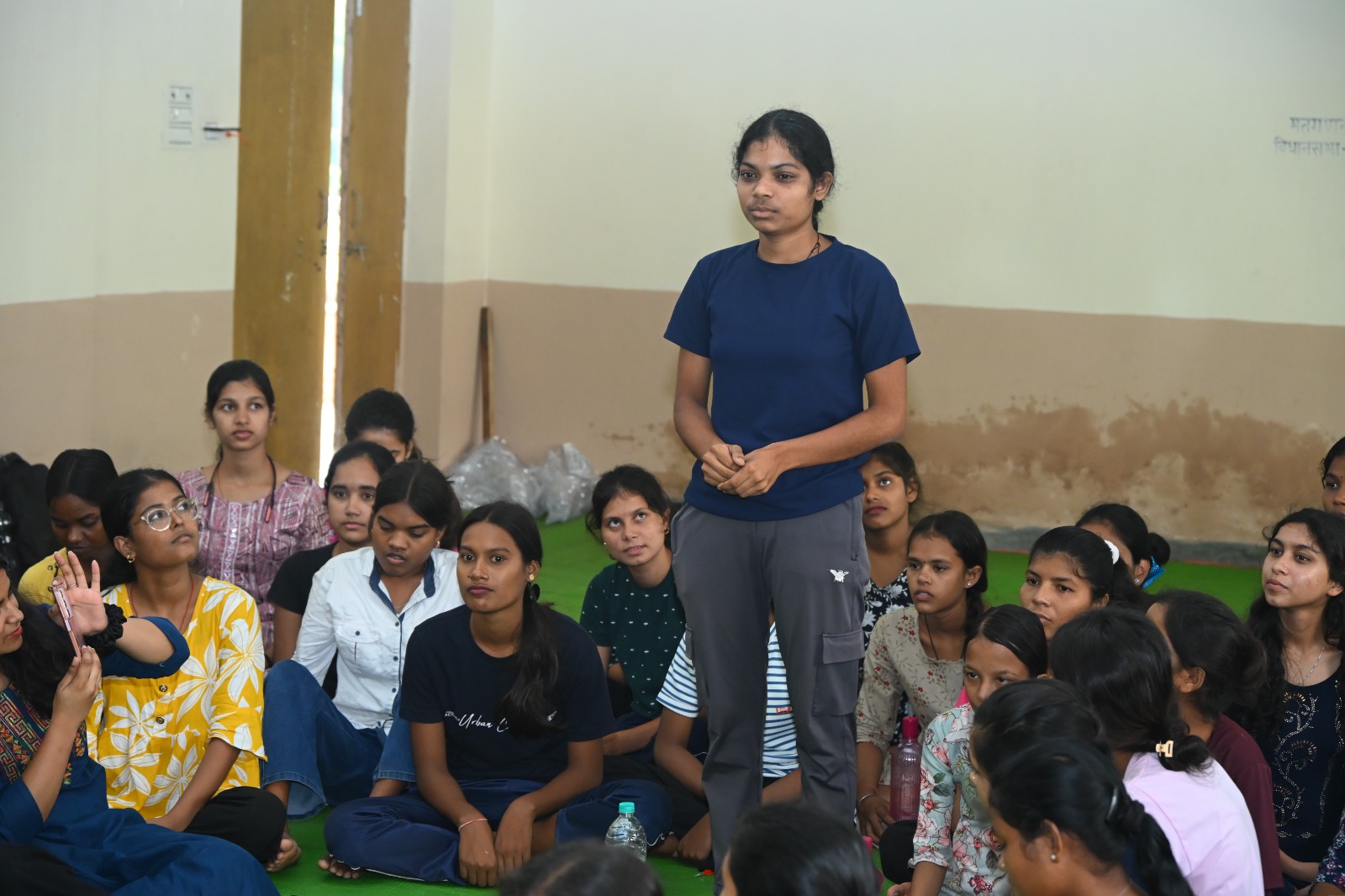
A young learner - quiet, curious, beginning.
01 - The thinking behind SahaSwa

Real learning lives in the tension
between self and community.

Most of education today is being pulled toward two extremes - and quietly losing what matters most in both.

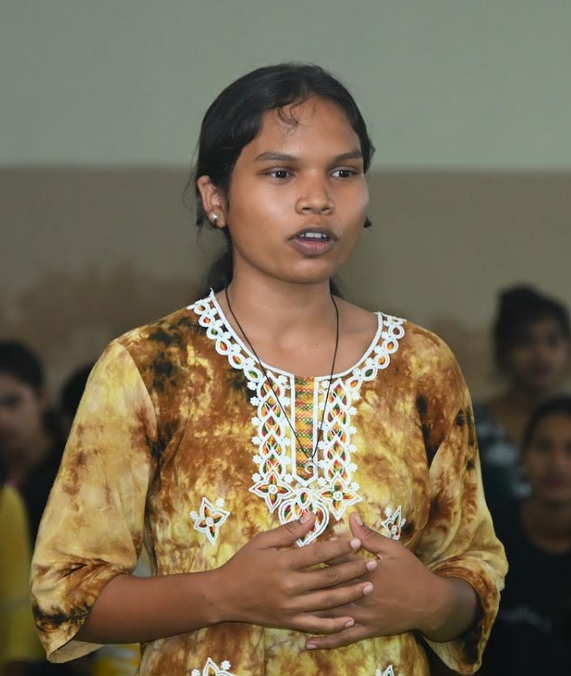
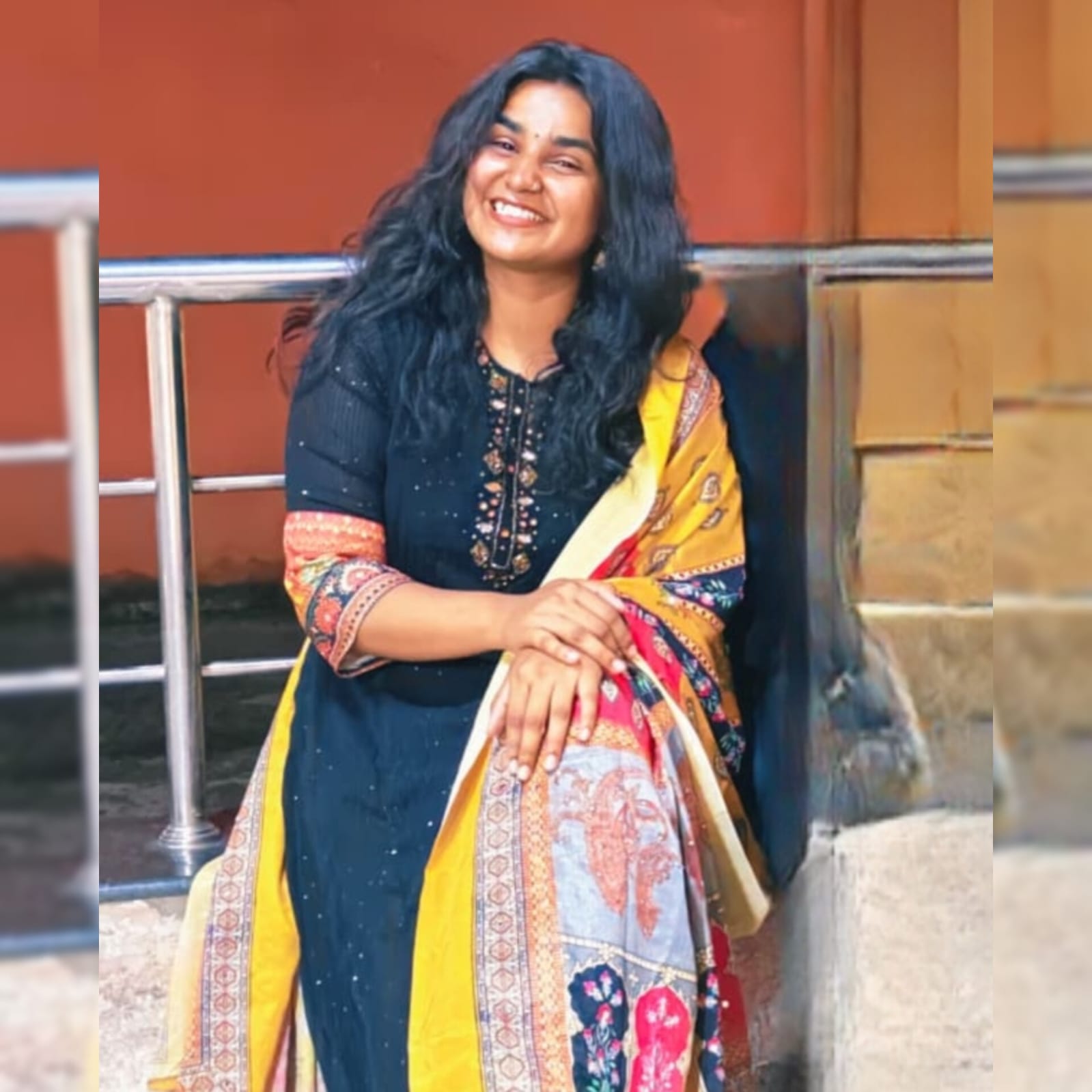
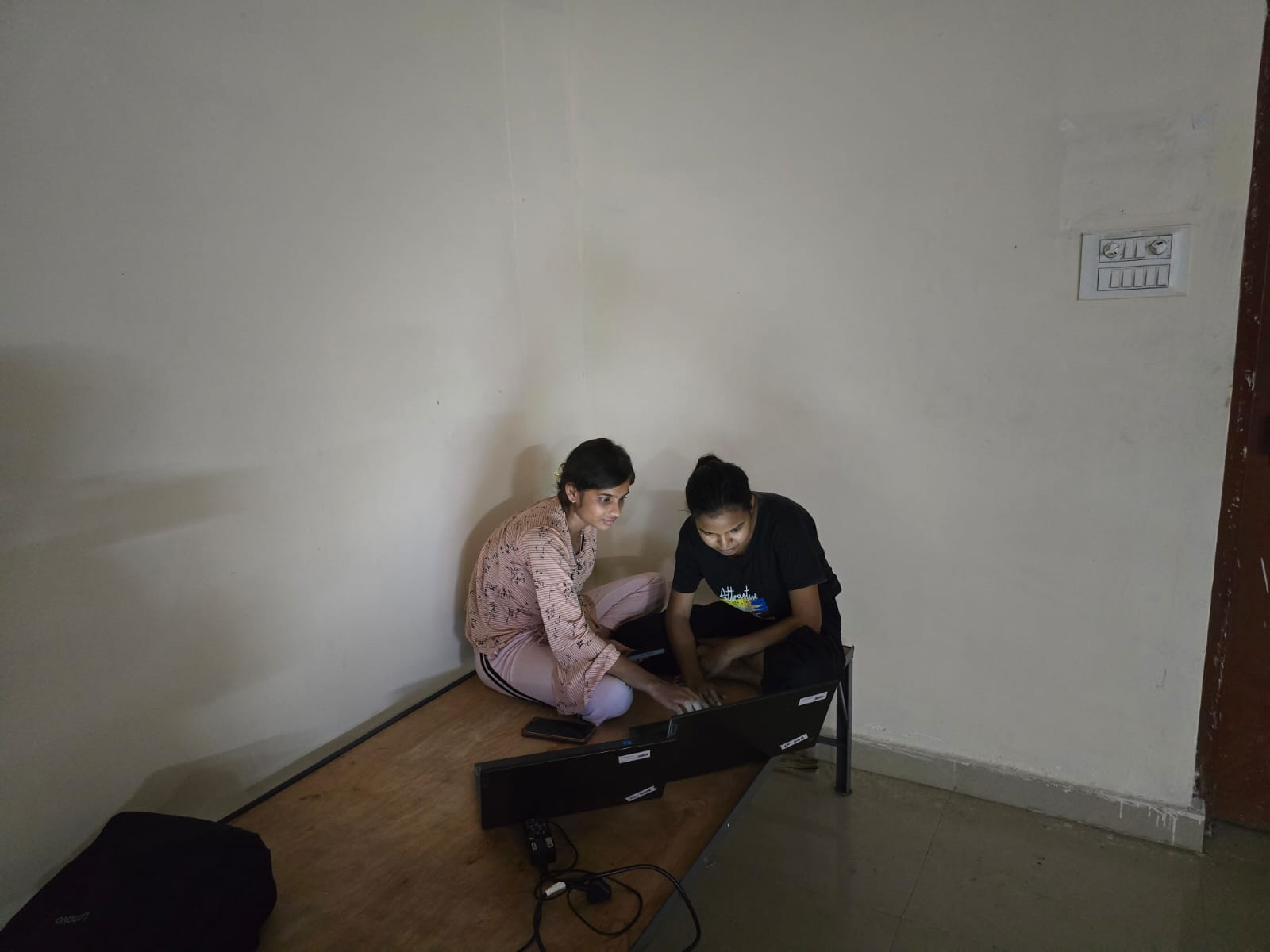
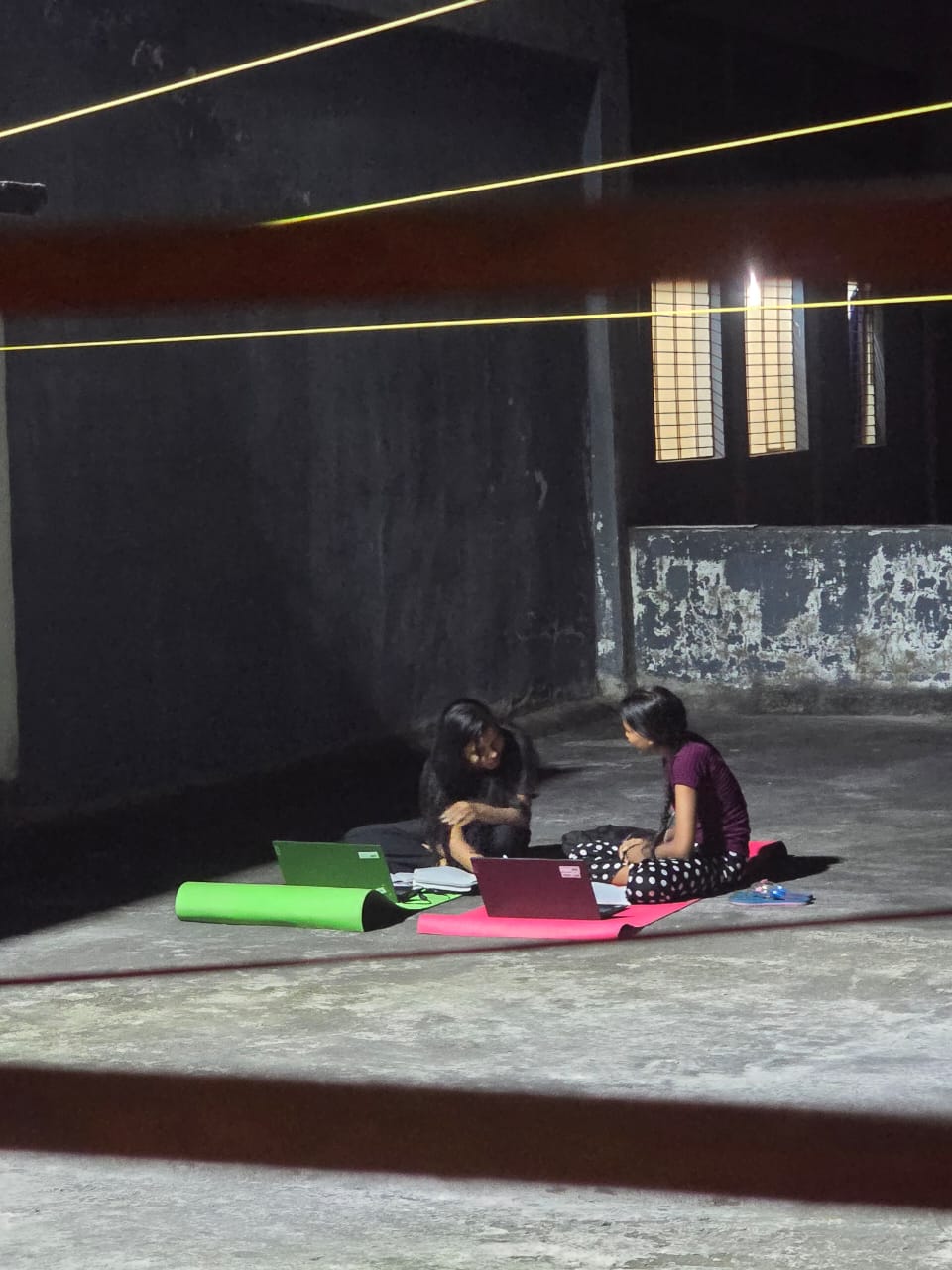
Two learners, one notebook.
One pull

Hyper-individual optimization

Personalized dashboards, isolated learners, algorithmic progression, technology deciding what a young person should do next. Efficient (?) and quietly stripped of belonging, mentorship, and meaning.

The other pull

Community without autonomy & outcomes

Strong belonging, but suppressed curiosity, individuality, and the freedom to experiment, question, and become someone new.

What we're trying to build

Autonomy held with care and accountability. Capability built in relationship. Technology that deepens humanity, instead of replacing it.

Learning is more than instruction. To make real learning we have to reimagine the entire learning culture - what we learn, how we learn, what we measure and why. Self and community. Autonomy and accountability. Technology and human relationship. We hold them together.

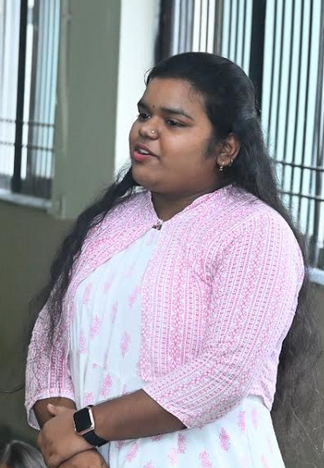
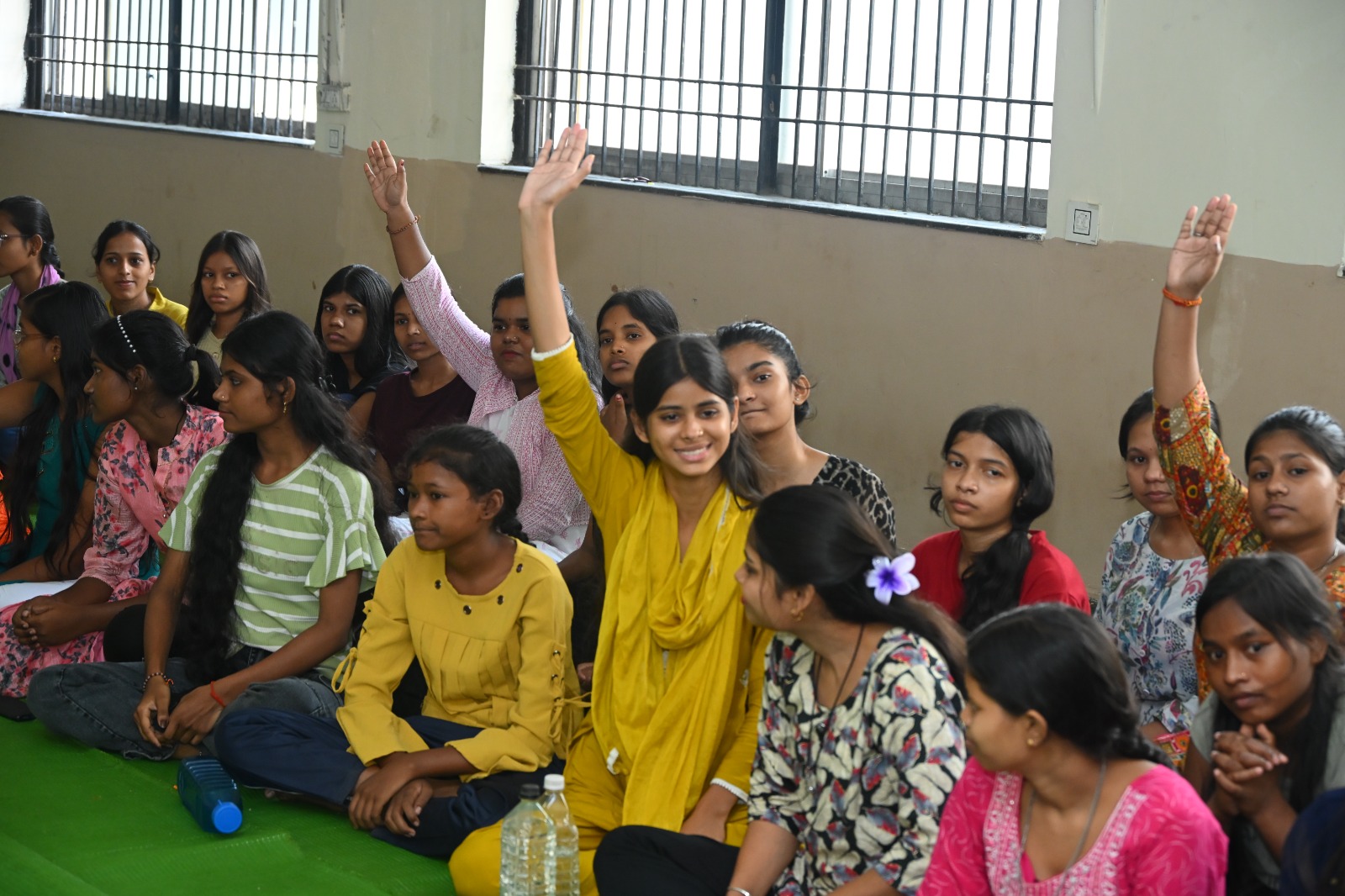
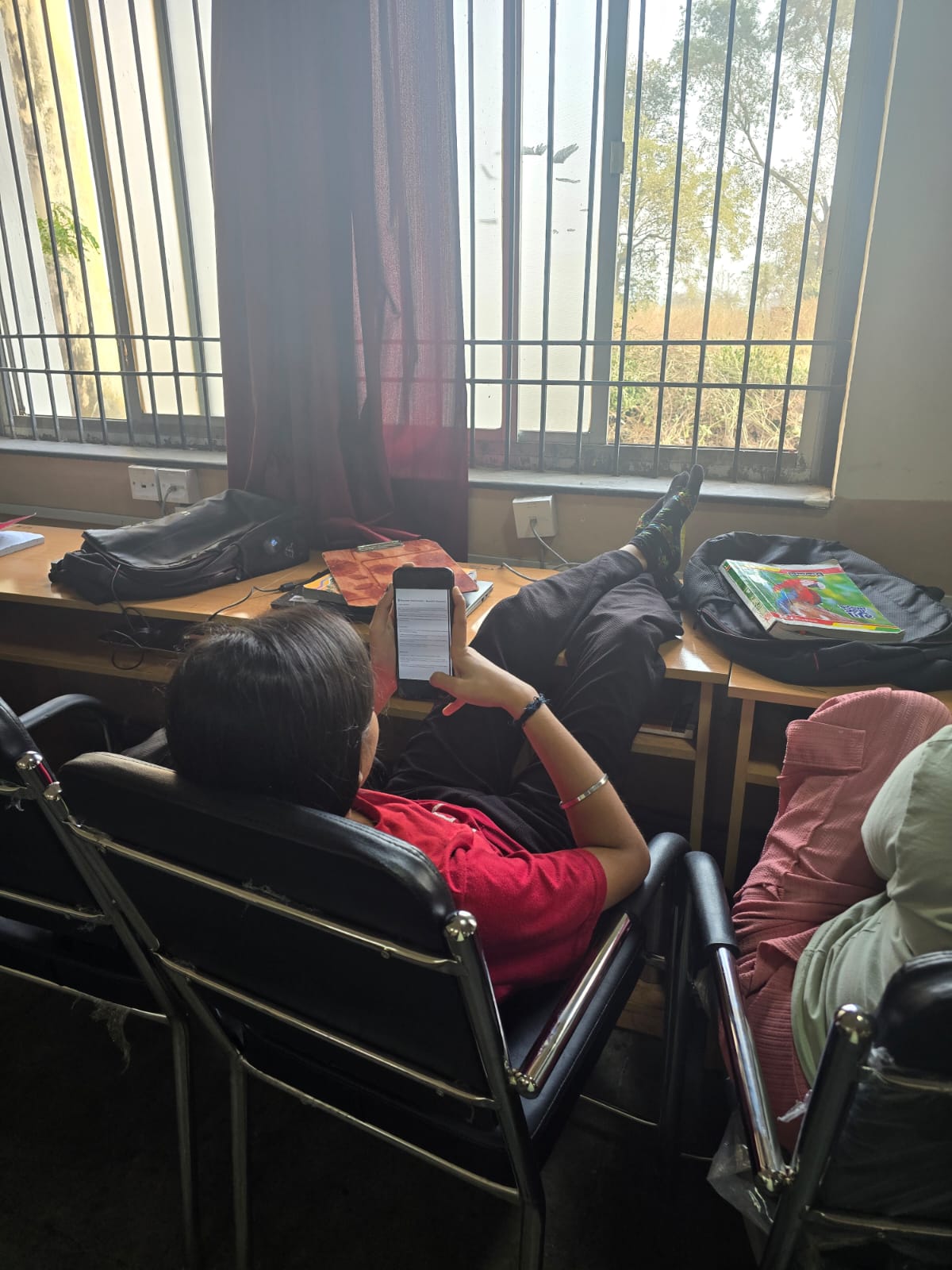
A learner sitting with a mentor, both looking at the same screen.
02 - Who we are designing for

Intelligence exists everywhere.
Systems do not.

The young people we work with are deeply capable. Most have simply grown up inside systems that were never designed around their realities - rigid, fear-based, memorisation-heavy schooling; limited exposure to what is possible; the quiet message, repeated in many small ways, that people like me cannot belong here.

We start with girls and young women from underserved communities - first-generation digital-economy learners, often from rural and small-town government school ecosystems. Over time, the ecosystem expands across genders.

A different lens

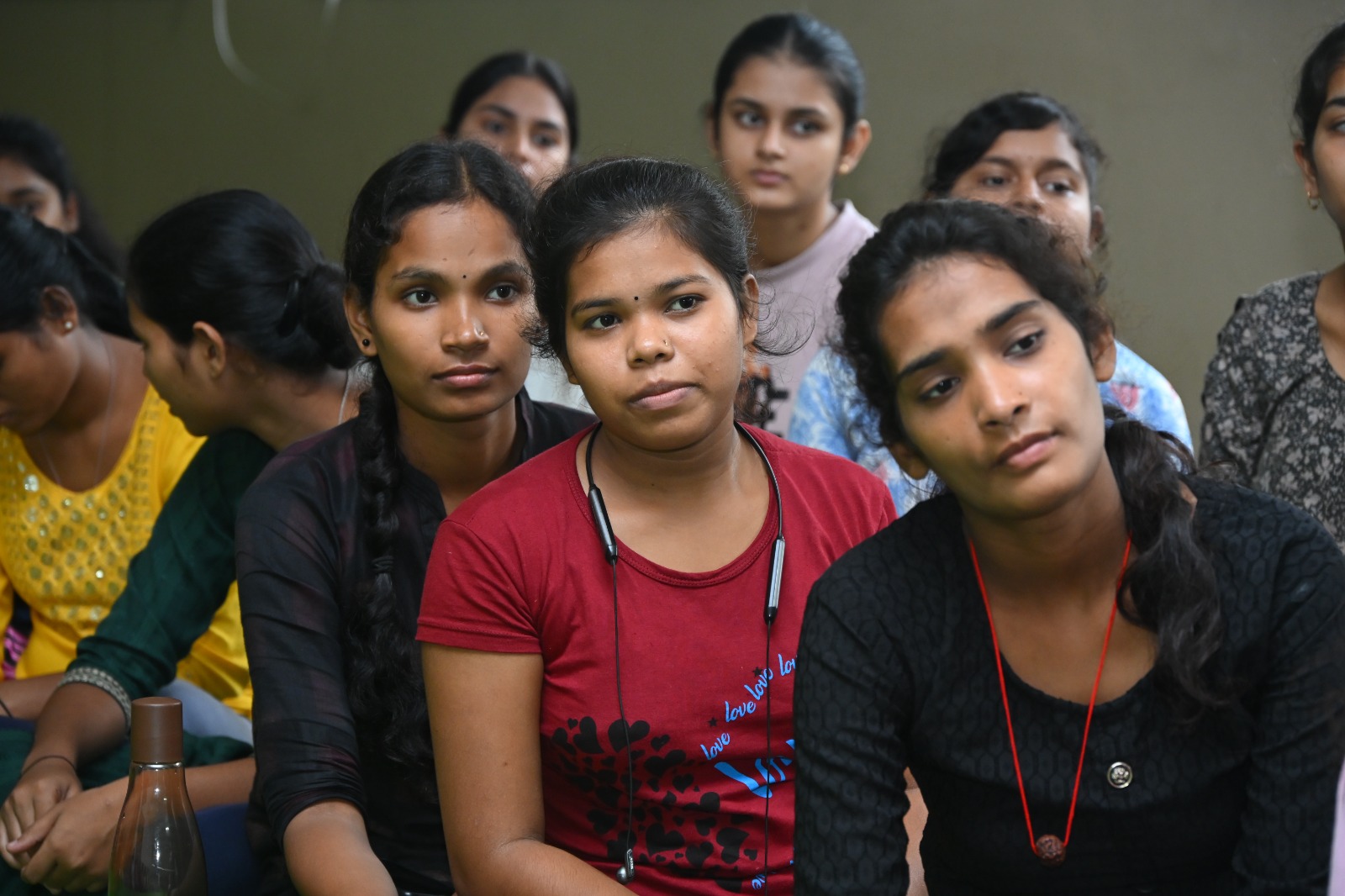
Not deficit. Not victims. Hidden capability that the system never paused to recognise - and resilience built quietly, against odds.

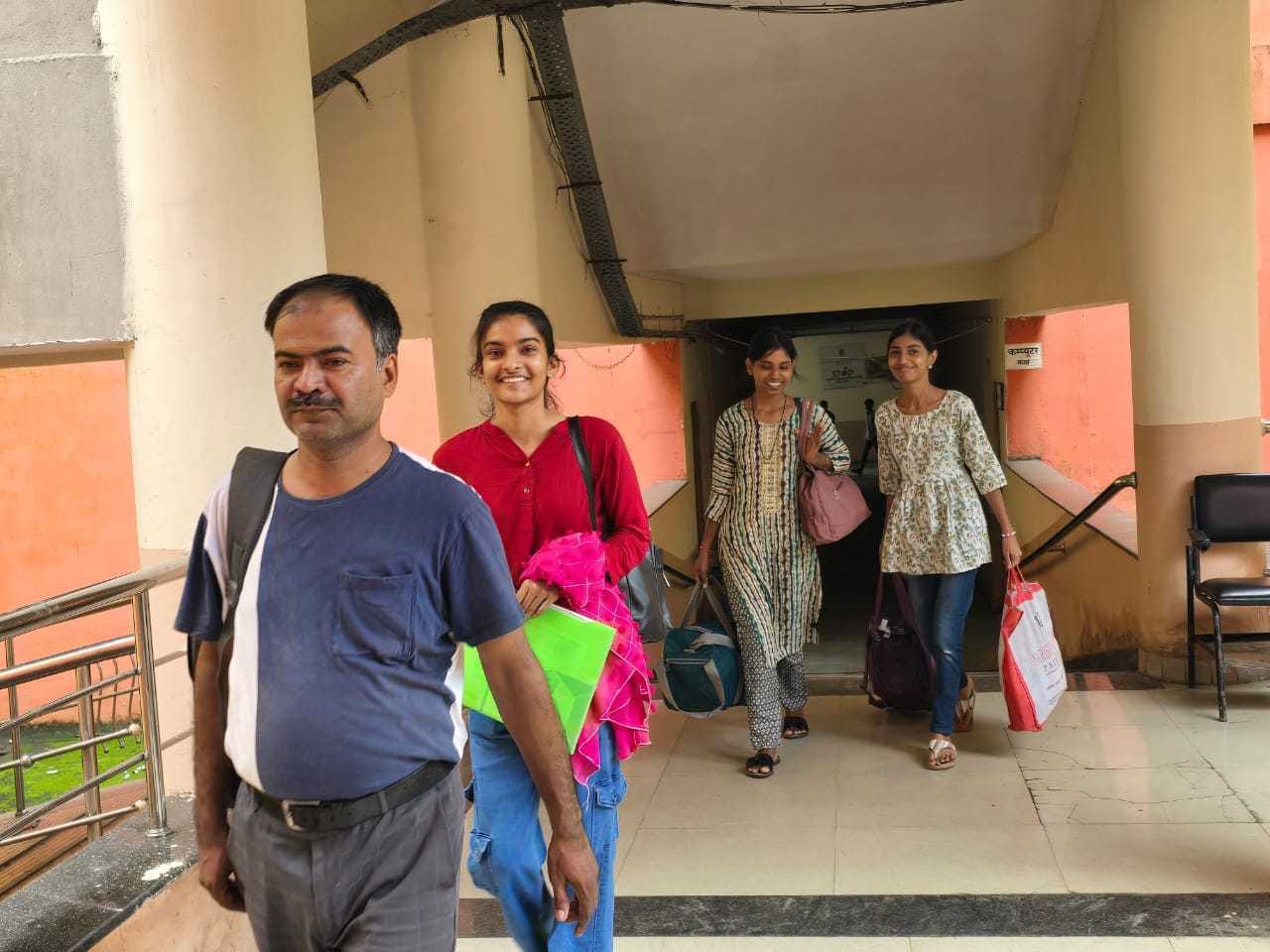
A small-town home - early morning light, books on the floor.
[ Rural childhood ]
[ First laptop ]
[ Peer learning ]
[ First internship ]
[ Speaking in English ]
[ A cohort of trust ]
What they often carry

Self-doubt absorbed from years of being told what they cannot do. A complicated relationship with English and the idea of 'English superiority'.

What is rarely asked

What they think. What they dream of. What they are capable of, given a real chance and a safe room.

What is often hidden

Sharp intelligence. Quick pattern recognition. Care for siblings, family, community - practical wisdom built early.

What they need first

Not content. Belonging. A room where being seen does not feel dangerous. Then everything else becomes possible.

03 - The dreams behind the work

A different future,
made reachable.

Three dreams sit underneath everything we are trying to build. They are large on purpose. Not slogans - coordinates.

Dream 01

Higher education that actually works.

Language accessibility. Emotional safety. Confidence built deliberately. Remedial support without shame. Care for learners carrying difficult histories. Education that connects - clearly and honestly - to economic mobility and meaning.

What if higher education actually worked for everyone?
Dream 02

AI-first higher education for the next generation.

Not AI tools bolted onto old classrooms. A fundamental rethink of learning, mentorship, pedagogy, peer learning, and career readiness - designed for mass accessibility from the start. Learners who build with AI, lead with AI, and think critically about AI.

AI should increase human capability - not reduce human dignity.
Dream 03

Pathways for human transformation.

The moment a person decides their life should change - at any age, in any place, in any language - a real pathway should exist. Community, mentorship, learning, financial scaffolding, technological tools, and social opportunity, woven together.

Potential should not depend on privilege.
A quietly radical idea

Most technologies and elite pedagogies move elite → privileged → everyone else. We want to explore the reverse.

Can we build a learning system so deeply human, adaptive, and effective for underserved learners that - eventually - privileged systems begin learning from it? We don't know. We think it is worth trying.

04 - How the learning works

A patient ecosystem -
not a lecture room, not just an app.

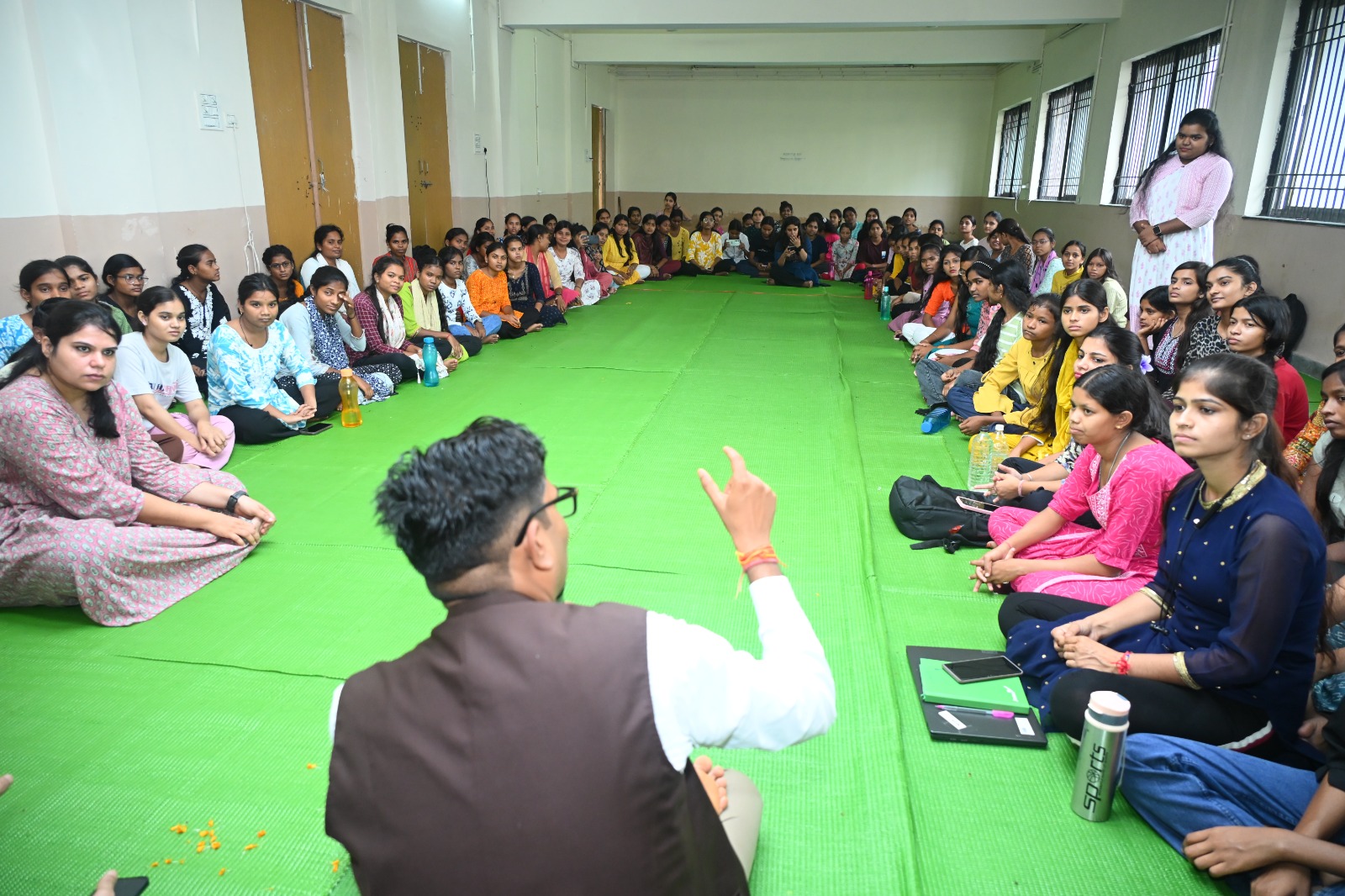
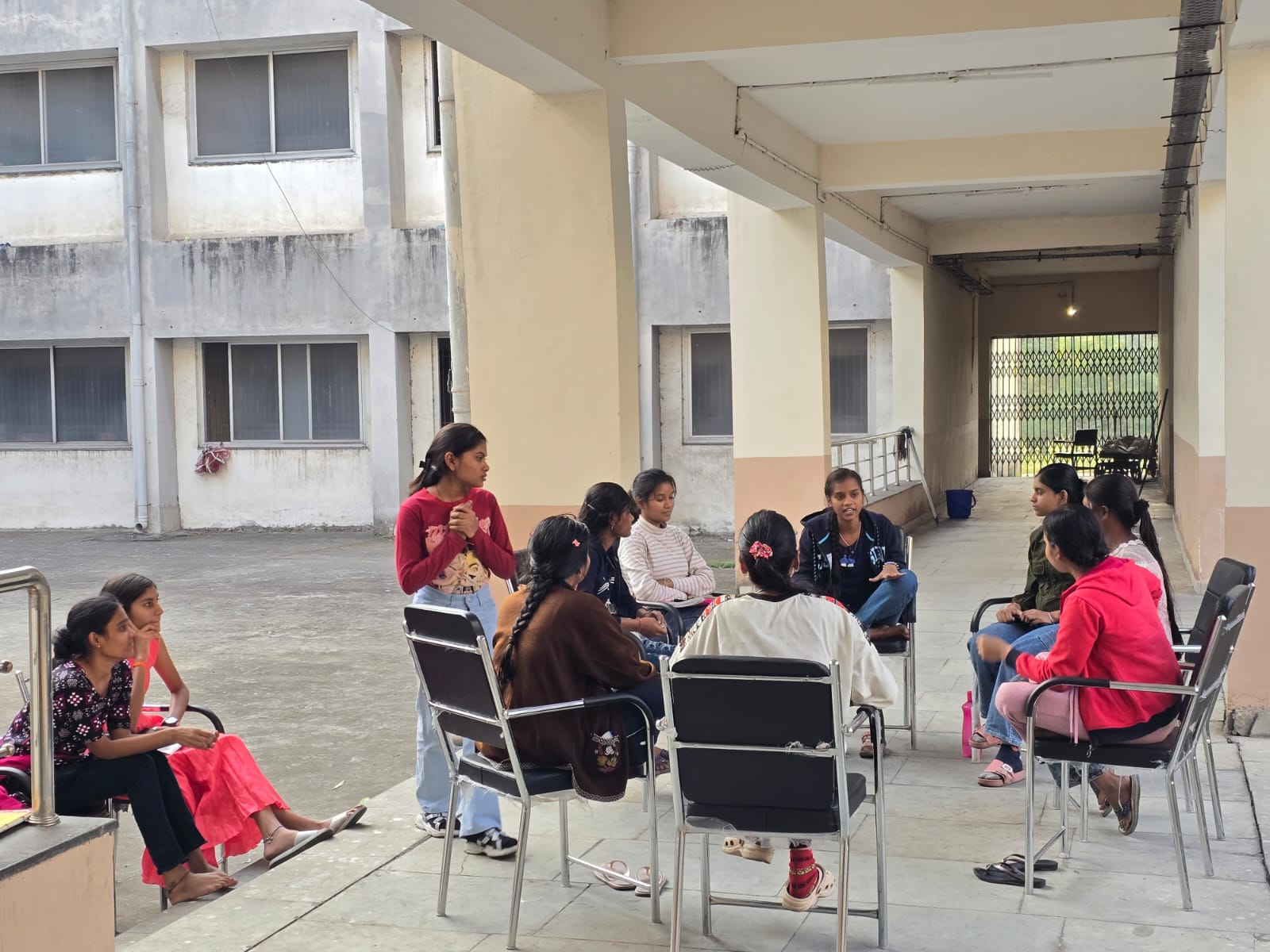
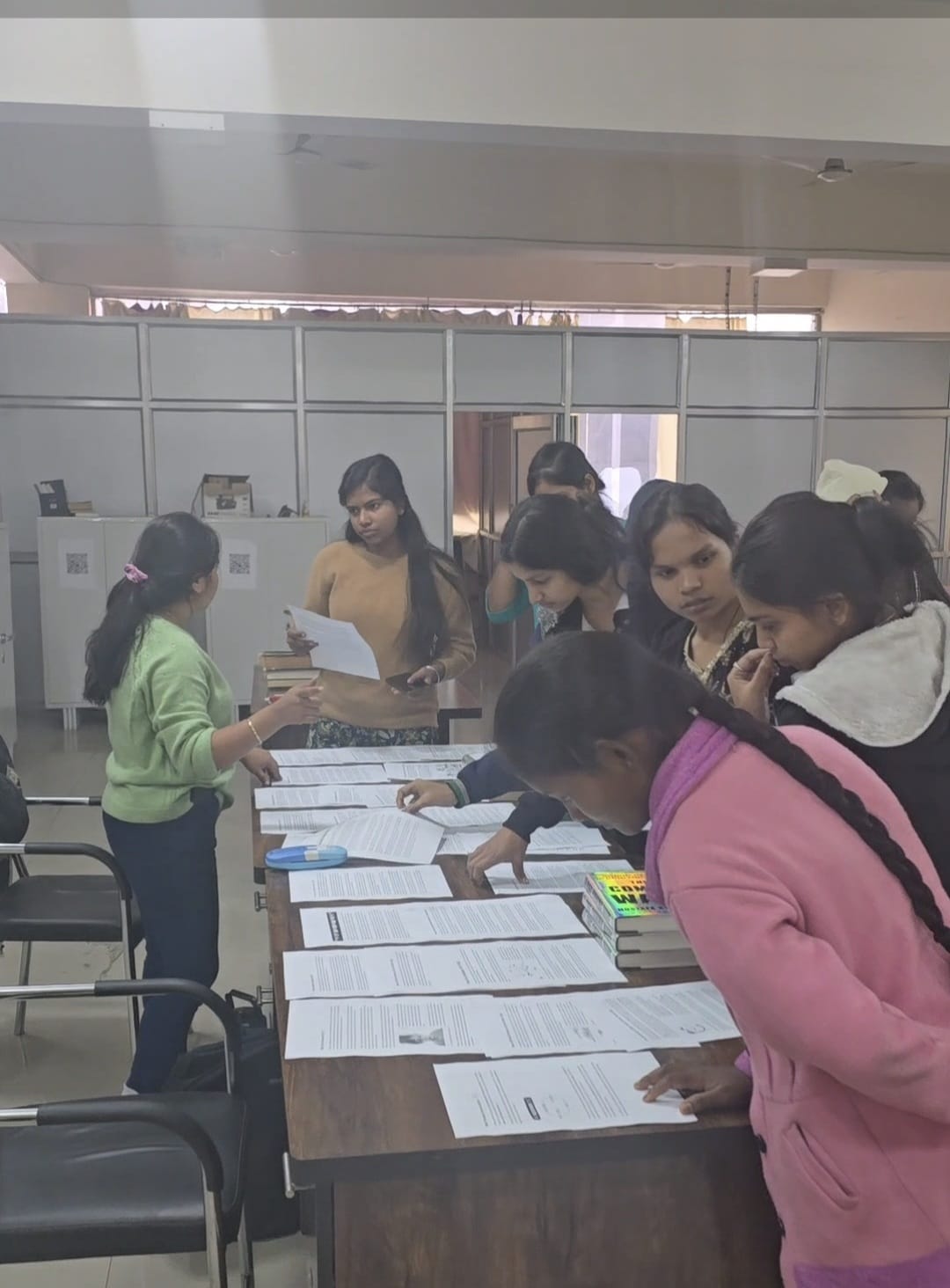
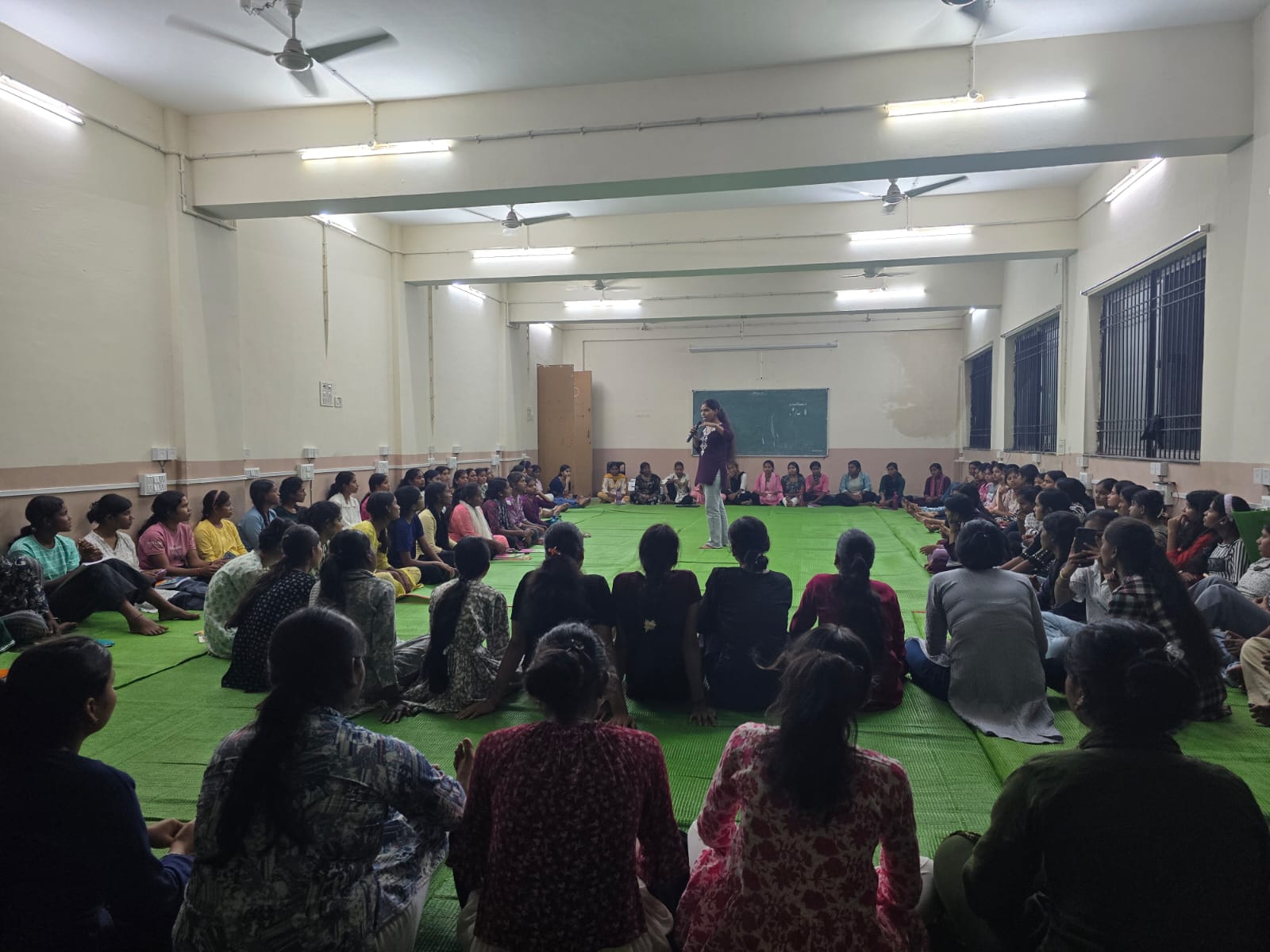
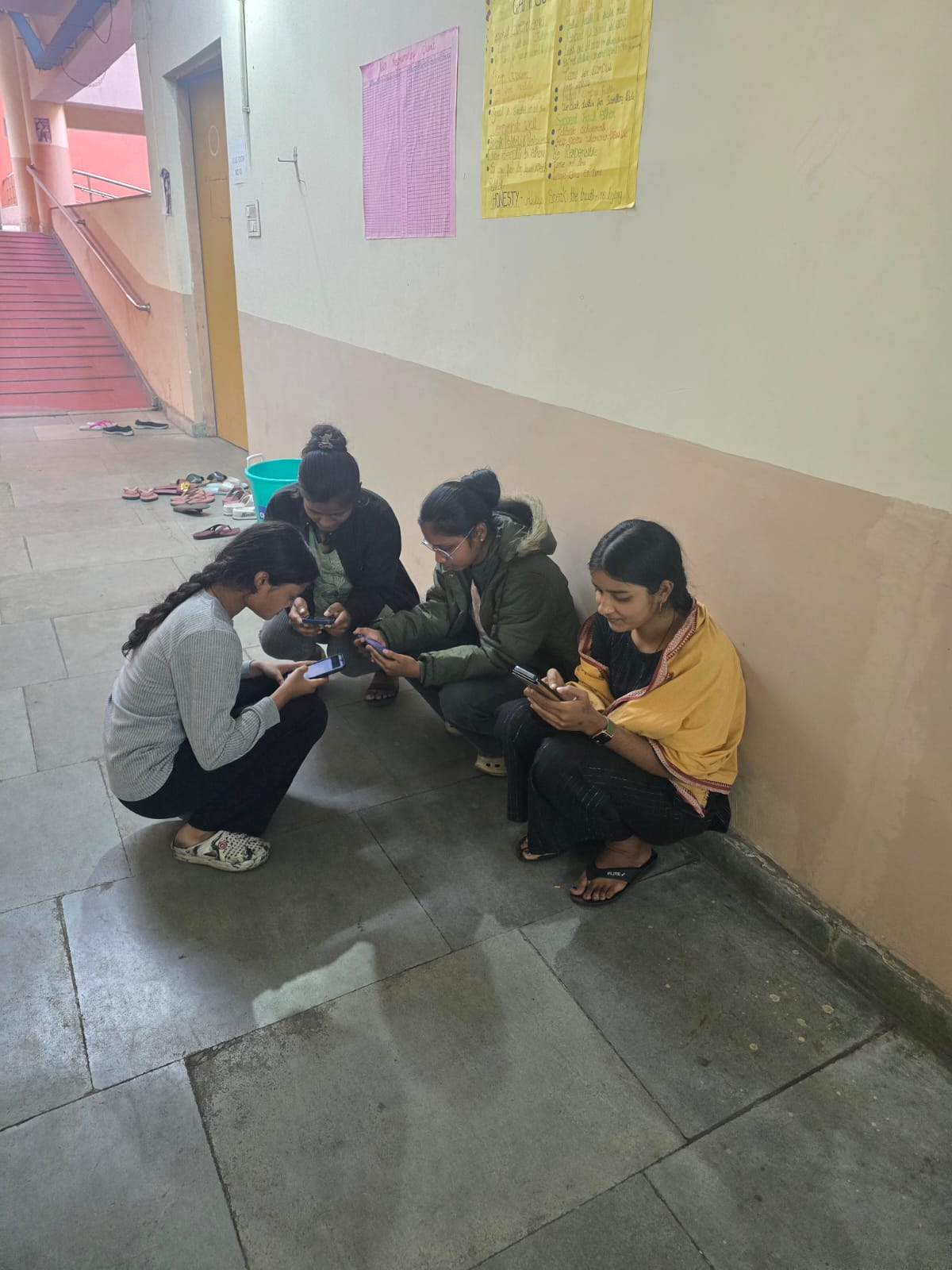
Cohorts of trust. Mentors who stay. AI as a thinking partner and curiosity catalyst. Real projects, real reflection, real responsibility for one another and for self. Structure where it helps. Freedom where it matters.

  1. 01

    Belong

    Safety first. People learn when they aren't afraid to be seen.

  2. 02

    Build

    Real problems made with peers and mentors. First without AI, then with.

  3. 03

    Direct

    Past the foundations, each learner shapes their own path through informed choice.

  4. 04

    Reflect

    Quiet practices that turn experience into self-knowledge, regulation, and confidence.

  5. 05

    Return

    Learners become mentors. The ecosystem grows from inside. Community owns its own growth.

05 - Two ecosystems of capability

Technical AND Relational Intelligence.

The next decades will favour people who can both build with the tools of the new economy and stay deeply themselves while doing it. We work on both, in parallel - never one without the other.

Technical — Swa

Capabilities for building, solving, and creating.

Analytical, structured, future-of-work oriented. The toolkit for participating in the modern knowledge economy with real fluency.

Foundations · everyone learns
F01

Mathematical & analytical thinking

Comfort with reasoning, abstraction, patterns, and structured thought - the quiet foundation under everything else.

F02

Computational thinking

Systems, logic, decomposition, problem-solving - the literacy of an AI-native world.

F03

English & communication mastery

Written, verbal, professional, collaborative. Aspirationally toward CEFR C1 - fluent, confident, their own voice.

Pathways · learners choose
P01

Software development pathways

Specialise across full-stack, data systems, ERP ecosystems, AI tooling, and emerging technical domains.

P02

Pathways beyond software

Semi-tech roles, operations, entrepreneurship, small business, community enterprise, digitally enabled livelihoods.

Relational — Saha

Capabilities for learning, relating, and becoming.

Foundational, not soft. The inner and relational ground that lets every technical capability above hold weight in a real life.

R01

Learning how to learn

The one capability that compounds across a lifetime of change.

R02

Emotional & relational intelligence

Understanding oneself, and the people in the room.

R03

Critical thinking

Holding ideas at arm's length before letting them in.

R04

Adaptability & resilience

Recovering from setbacks without losing your center.

R05

Quiet confidence

The kind that gets built slowly - and stays.

06 - Quiet reflections

In their own words.

Babli Sidar
For the first time, I felt like my questions mattered.
Babli Sidar
Payal Kumawat
I stopped being scared of technology. It started feeling like a tool I could shape.
Payal Kumawat
Sanju Sahu
I learned that confidence can be built - slowly, like a muscle.
Sanju Sahu
07 — The people behind it

A small team, building patiently.

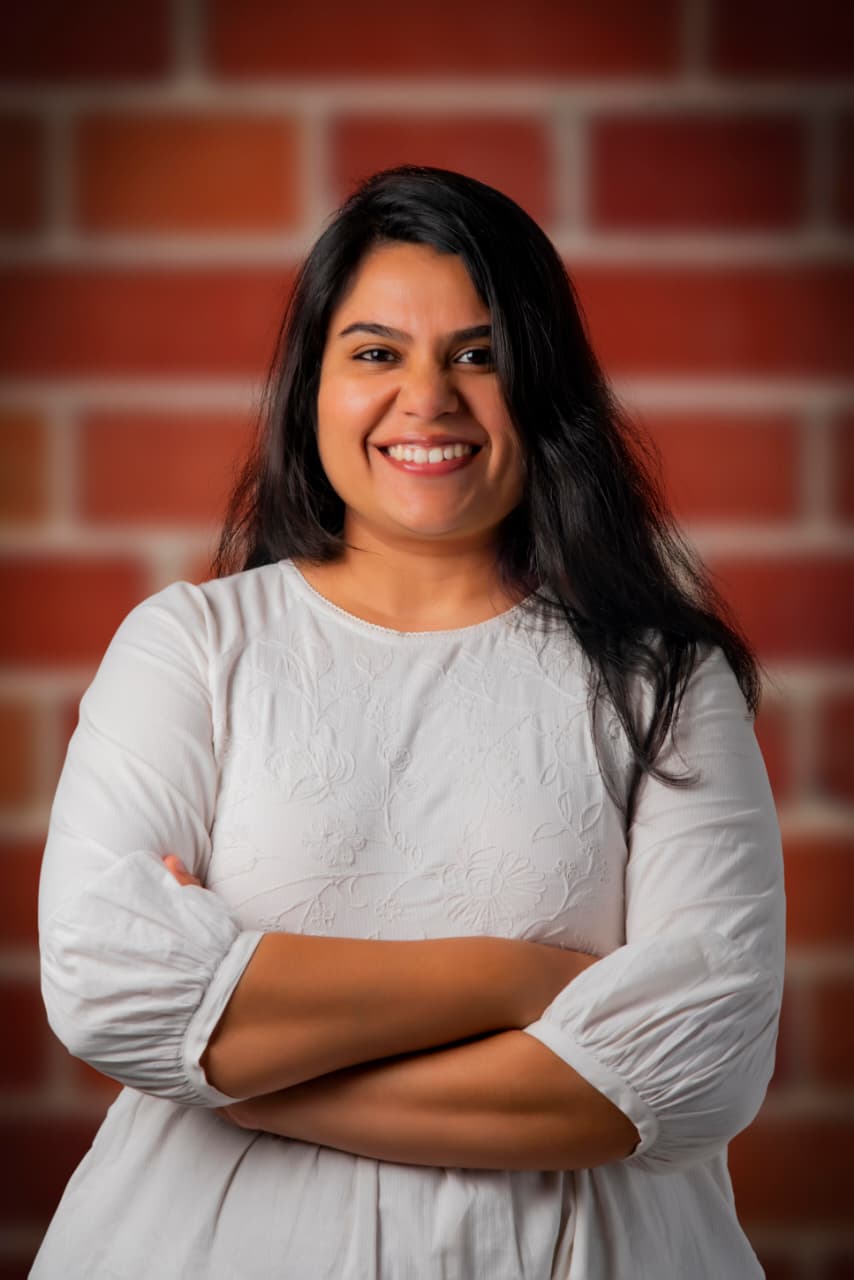
Nidhi Anarkat
Nidhi Anarkat
Founder

Nidhi’s work is rooted in the belief that agency, peer learning, true adaptability, and reflection are fundamental to how deep learning happens. She holds that the right recipe of these ingredients is the key to unlock accelerated, deep learning outcomes for students from vulnerable communities and that it is imperative to make it happen.
She believes that advances in technology paired with research in backed approaches in pedagogical sciences now make it possible to build learning ecosystems that are far more adaptive, personalized, community-driven, and scalable than traditional education systems have been able to achieve. At the center of this work is the idea that learners should have meaningful ownership over the pace, direction, and experience of their learning, along with being held within strong communities of support, accountability, and belonging.
Over the last 15 years, Nidhi has worked across higher education, high school, technology, and alternative learning ecosystems, with a particular focus on young adults from underserved communities and first-generation digital economy learners. Before starting SahaSwa, she was Co-founder and Ex-CEO at NavGurukul. She has also worked with organizations in both India in US namely: Knewton and HarvardX in US; EmpowerED, Hero Vired and Educational Initiatives in India.
Nidhi holds a Master’s degree from the Harvard Graduate School of Education, where she focused on technology and education, and a degree in Computer Engineering from Gujarat University.

Pooja Palkandwar
Pooja Palkandwar
Program Manager
Priya Chouhan
Priya Chouhan
Programing Associate
Raman Shukla
Raman Shukla
Programing Associate
Tanzil Rashid
Tanzil Rashid
Programing Associate
Fanija Yadav
Fanija Yadav
Life Skill Associate
Samiksha Neware
Samiksha Neware
Life Skill Associate
Bhavna Deshmuk
Bhavna Deshmuk
Operation Associate
Prerna Gupta
Prerna Gupta
Partnership Associate
Shaped together

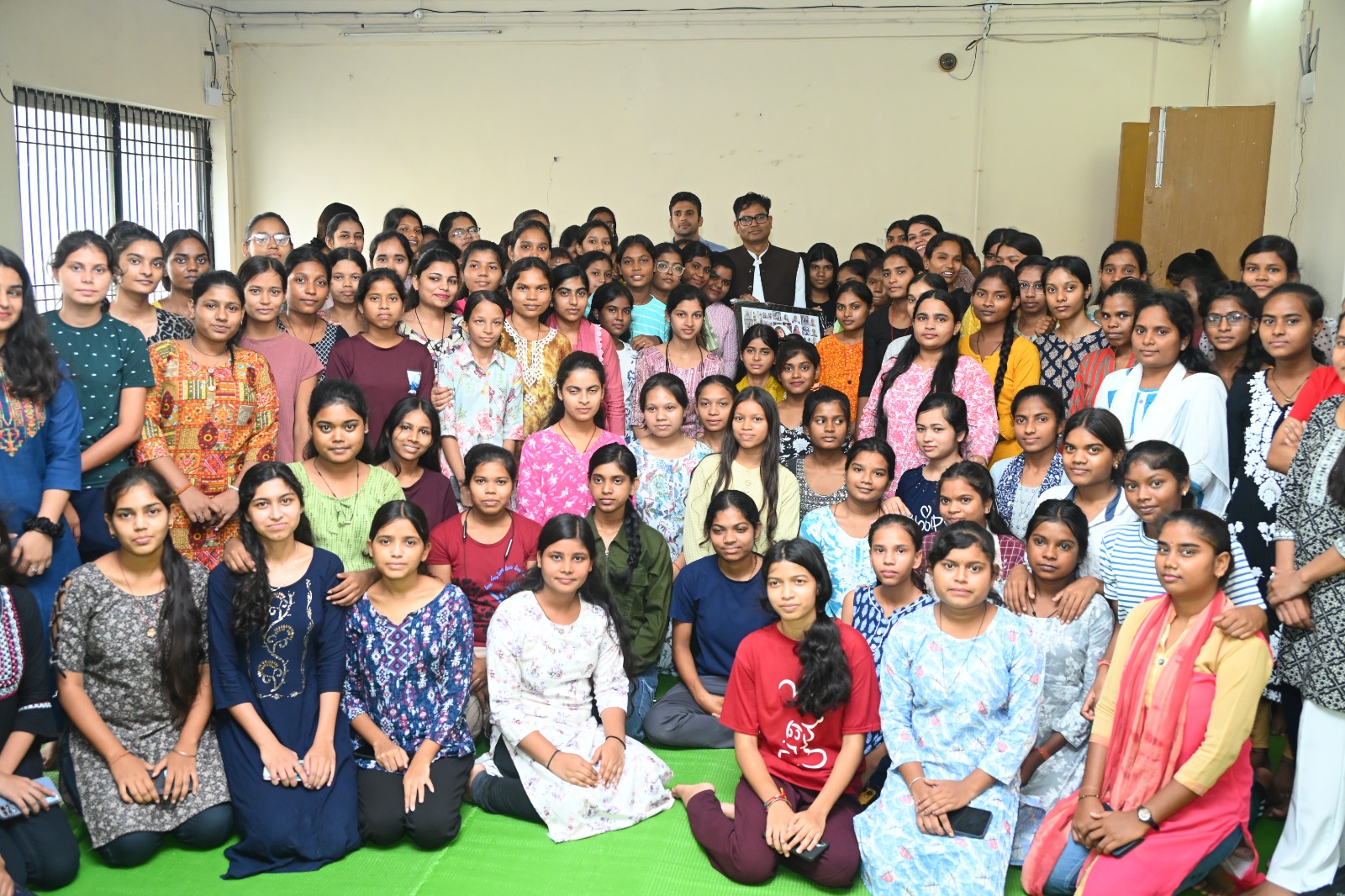
Many of the team are themselves from the communities SahaSwa serves — now helping shape the next generation of learners.

programmingcurriculumstudent experiencelearning designinductionmentorshipoperationsculturecommunity systemslearner supportfacilitationemotional safetytechnology integration
A note from us

We're trying to build something that takes both the future and the human being seriously. If that resonates, we'd love to hear from you.

hello@sahaswa.org